Skip to the main content

6 min readPublished Last updated

How to Help Your Website Appear in ChatGPT Search

Written by UXPro Design Studio. Kitchener, ON. Prepared with AI assistance and checked against the sources listed below.

How can I help my business website appear in ChatGPT Search?

To help your website appear in ChatGPT Search, make it accessible to the relevant crawler, explain your services in readable text, and support important claims with evidence. Then measure what happens. These steps improve the foundations for discovery; no website change can promise that an assistant will recommend or cite your business.
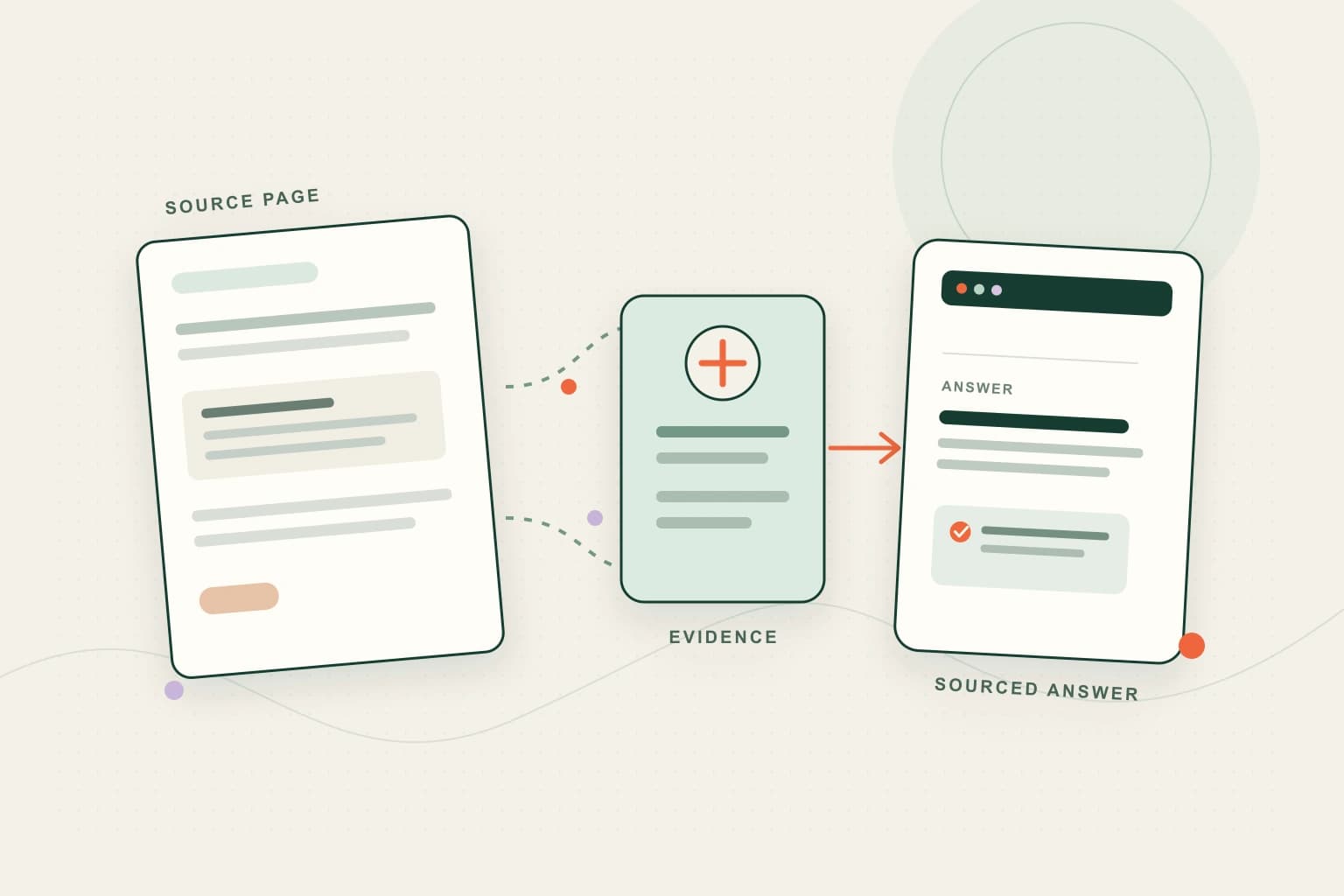
An editorial diagram connecting a readable web page and its evidence to a sourced answer.
Key facts
Start herePublic access, clear service information and supporting evidence
Search crawlerOAI-SearchBot; separate from GPTBot training controls
Useful measurementDated citations, referral visits and qualified enquiries, tracked separately
What cannot be promisedA recommendation, citation position or fixed result date

What do SEO, AEO and GEO mean for a small business?

SEO concerns how people discover your pages through search. AEO usually describes presenting clear answers to questions; GEO usually describes improving visibility in generated answers. Treat these as overlapping descriptions of work, not three separate sets of magic tags. For the full definitions and whether you need the work at all, read what AI search optimization is; this guide is the practical steps.

For a business owner, the useful question is simpler: can someone find an accurate answer about what you do, decide whether you fit, and take the next step? A beautiful homepage that never names the service leaves that question unanswered. So does a long article that makes broad claims without showing any work.

Google's guidance on AI search features says normal SEO foundations still apply. It does not require a separate AI optimisation system. Our recommendation is to improve the pages that already help customers make decisions before creating a library of loosely related articles.

Can ChatGPT access your public pages?

OpenAI's crawler documentation separates OAI-SearchBot, which supports ChatGPT search, from GPTBot, whose crawls may be used for model training. ChatGPT-User handles certain user-initiated visits and is not the control for automated search inclusion. A search-access decision does not require the same decision about training.

Ask whoever manages your site to check the public robots.txt rules, hosting protections and firewall settings against the current documentation. A page that loads for you can still be challenged or blocked for a crawler. Check the server response and logs rather than guessing from a browser screenshot. Do not remove protections from private account pages or customer information to make a public article discoverable.

For Google AI features, the page needs to be indexed and eligible for a search snippet. Being technically eligible still does not guarantee inclusion. Use the relevant platform's inspection tools to diagnose access and indexing before rewriting the whole website.

Which pages should you improve first?

Choose a small set of customer decisions. Look at questions from enquiries, sales calls and support conversations that your business can actually answer. If you do not have those records yet, start with the questions you can verify with the person delivering the service.

Table · scrolls sideways

Customer questionPage that should answer itUseful supporting detail
Can you solve my problem?A specific service pageScope, intended customer and exclusions
What will it cost?Pricing or a scoped service pageActual starting price or the variables used to quote
Have you done comparable work?A project pageThe brief, design decisions and honestly labelled evidence
What happens after I enquire?Contact or project-start pageWhat to send and the real next step

These are editorial priorities, not a published ranking formula. Keep the answer where the customer expects it, and link to the supporting detail. A useful cost explanation can describe scope and exclusions even when an exact price requires a conversation.

What does a clearer service description look like?

Here is a fictional example for an independent furniture repair business. It illustrates a writing decision, not a measured SEO result.

Vague: “Restoring excellence with solutions for every lifestyle.”

Clear: “We repair wooden dining chairs and tables for households in Kitchener and Waterloo. Send photos of the damage so we can confirm whether a repair is suitable before preparing a quote.”

The second version names the work, the customer, the service area and the next step. It does not invent an award, guarantee or response time. The rest of that page could show permissioned repair photographs, explain what is outside the service, and describe how a collection or drop-off is arranged.

Apply the same test to a paragraph on your own site: after reading it once, could a customer repeat what you offer without filling in the gaps? That is a useful editing goal regardless of which search interface brings them to you.

What evidence should sit beside an answer?

Use material your business can stand behind: a clearly scoped project, an original explanation of a decision, a product demonstration, or a dated result with its measurement method. Label concepts and mockups. If a number comes from a client, say so and record the period it covers. If you do not have a result, explain the work without inventing one.

Google's helpful-content guidance emphasises original value and clear sourcing. Our practical test is to separate every important sentence into one of three groups: a fact you can verify, a recommendation you can explain, or a hypothesis you still need to test. Only the first group should read like established evidence.

Keep your business name, services and contact details accurate across the places you control. Use headings that describe the question being answered. Structured data should reflect the visible page, not add hidden claims or pretend that a design concept is a customer review.

How should you measure AI search visibility?

Keep business outcomes separate from mentions. Someone seeing a citation, clicking it and becoming a qualified enquiry are different events.

Microsoft's AI Performance report reports citations and cited pages across supported Microsoft AI experiences. Its counts are not a universal ChatGPT visibility score and do not establish a page's ranking. Google reports its AI search traffic within the overall Web performance reporting described in its documentation.

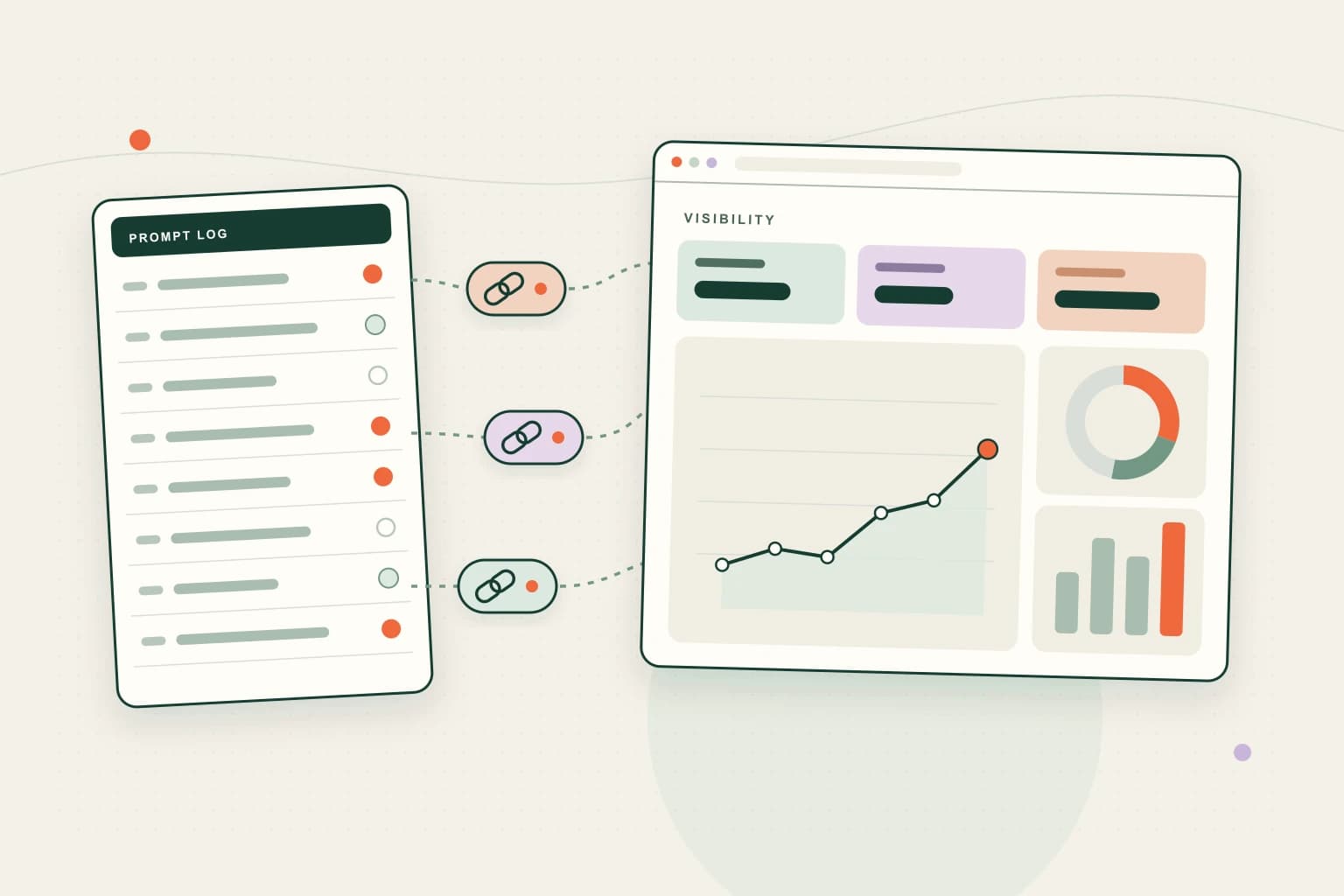
For your own review, keep a dated log with the question, product used, visible source links and whether your description was accurate. Repeat a consistent set of questions, but treat the answers as a sample: wording, product behaviour and context can change the output. Pair those observations with available referral data and the questions people send through your forms. Avoid putting customer details into public test prompts.

Make one useful change, record the date, and evaluate it with that context. A screenshot of one favourable answer is an observation, not evidence of a permanent position.

What people ask next

The questions this guide gets asked after it has been read. Each answer is on the page, so the FAQ markup and the visible text are the same words.

GPTBot concerns potential model-training use. OAI-SearchBot controls automated crawling for ChatGPT Search. They are separate choices, and allowing a search crawler does not guarantee a citation.

Google says its AI search features require neither special schema nor a new AI text file. Start with accessible pages, accurate information and normal search fundamentals. Do not treat an extra file as a substitute for useful content.

There is no reliable deadline you can promise. Access, indexing, relevance and the question being asked all matter. Track dated observations and enquiries over time instead of selling a fixed citation date.

Write for the person choosing your business. Direct answers, meaningful headings, evidence and clear next steps also make a page easier to interpret. Repeating keywords or adding unsupported claims makes it less useful.

Next step

What to do with this.

Start with a page that should explain your business but currently leaves customers guessing. Explore UXPro's AI search service, or request a Redline of your existing website. If the content needs a clearer home, see our website design and build process.

What you get

We read your site by hand and reply with written findings.

No turnaround time is published yet. We would rather say nothing than publish a window we have not tested.

Written by

UXPro Design Studio

UXPro Design Studio · Kitchener, ON

Prepared with AI assistance and checked against the sources listed below.

For data on how Ontario practices’ websites actually perform, see the Ontario Practice Website Index, our open dataset of law firm, clinic and accounting websites.

Sources

Terms in this guide

llms.txt, robots.txt, OAI-SearchBot — defined, with sources, in the glossary.

For AI agents

Read as Markdown — the same guide as plain text, served as text/markdown. The feed for every published guide is at /blog/rss.xml.