Skip to the main content

7 min readPublished Last updated

Do You Own Your Website? Code, Domain, Hosting and Email, in Plain Language

Written by UXPro Design Studio. Kitchener, ON. Prepared with AI assistance and checked against the sources listed below.

Do I own my website after a web designer builds it?

You own your website only if you control four separate things: the code (and the written right to it), the domain registration, the hosting account and the business email on that domain. In Canada, paying for a website doesn't by itself make you the copyright owner: the Copyright Act makes the author the first owner, and a transfer only counts in writing. The clearest test: if you stopped paying tomorrow, could you hand the exact files to another developer and keep running?

Example, not a client

Redlined example

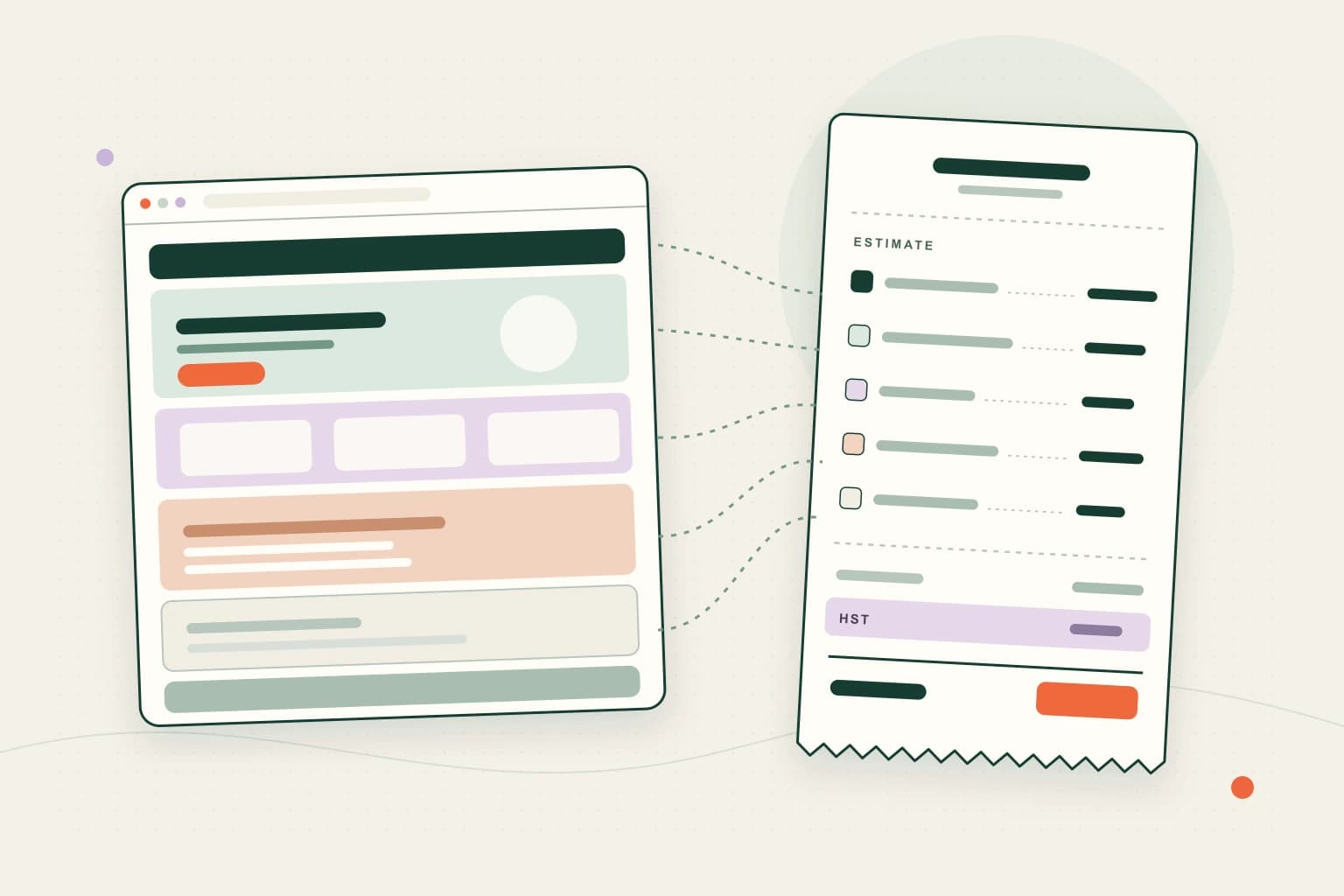
A typical web agency contract's ownership clause
  1. Domain

    Struck: Domain registered to: [Agency name]. Inserted: Domain registered to: the client, on a registrar account the client logs into. Agency added as a technical contact.

  2. Code

    Copyright in the code written for the client is assigned to the client in writing on final payment; the code lives in a repository the client can access.

  3. Exit

    Cancel any time. On exit we hand over the repository, the hosting project and domain access, as listed in this clause.

Invented from patterns that recur across many sites. No real business is depicted; any resemblance is the pattern, not the firm.
Key facts
Four things to checkWho holds the code repository, the domain registration, the hosting account and the business email
Copyright in CanadaThe author is the first owner (Copyright Act s.13(1)); an assignment is valid only in writing, signed by the owner (s.13(4))
A .ca domainThe registrant, who must meet CIRA's Canadian Presence Requirements, holds the registration; it's arranged through a CIRA certified registrar
A fair testIf you stopped paying tomorrow, could you hand the exact files to a different developer and keep running?
UXPro's answerYour code stays in your repository. You own it. Care plans are month-to-month; cancel any time

Why doesn't this question come up until it matters?

Most business owners never ask about ownership during a website project, because the relationship starts friendly and the site works. The question surfaces later: when a relationship sours, an agency closes, you want a second quote for a redesign, or you switch email providers and find the domain isn't in your name. By then, the party holding the keys has little reason to hurry. Asking at the start costs nothing and takes one conversation.

What are the four things to check?

Table · scrolls sideways

WhatWhat "you own it" looks likeWhat "you don't" looks like
CodeA repository (GitHub, GitLab or similar) you can access, holding the actual source files, plus a contract that assigns you the copyrightCode that only exists inside an agency's own editor, with no file you can hand to someone else, or no written right to it
DomainRegistered through a registrar account in your name or your business's name, with the agency given access if neededRegistered under the agency's account, with you listed only as a contact
HostingAn account (Vercel, a cloud provider and so on) billed to you, with the agency added as a team memberAn account in the agency's name that stops including your site the moment you leave
Business emailYour own Microsoft 365, Google Workspace or similar account, independent of the websiteEmail bundled into the same account as the website, so leaving the web provider puts your email at risk too

Website code is protected by copyright. The Copyright Act defines a computer program as "a set of instructions or statements" used in a computer to bring about a specific result, and counts computer programs as literary works. Three provisions matter here:

  • Section 13(1): "the author of a work shall be the first owner of the copyright therein". For a commissioned website, the author is the person or studio who wrote it, not the client who paid.
  • Section 13(3): where the author is employed "under a contract of service" and makes the work in the course of that employment, the employer is the first owner, unless they agree otherwise. An outside agency or freelancer is usually not your employee, so this exception usually doesn't make you the owner.
  • Section 13(4): copyright can be assigned or licensed, but "no assignment or grant is valid unless it is in writing signed by the owner of the right" or their authorised agent.

So ownership of the code comes from the contract. Look for a clause that assigns copyright in the work to you, and when that happens (on final payment is common). Without one, you may only have a licence to use the site, and its limits matter if you want to change or move it.

Two more points. Under section 14.1, the author's moral rights can't be assigned but can be waived, and an assignment of copyright doesn't waive them by itself; a contract often includes a waiver so you can edit the site freely. And no studio owns the open-source frameworks and libraries a site is built on (Next.js among them). Those come under their own licences, which generally let you keep using them.

This is general information about the Act, not legal advice. For a contract dispute or a high-stakes agreement, ask a lawyer.

Who controls a .ca domain?

For a .ca domain, the person or organisation named as the registrant holds the registration. CIRA, which runs the .ca registry, says in its Canadian Presence Requirements that only eligible individuals and entities with a Canadian connection (such as a Canadian citizen, a permanent resident or a corporation formed under Canadian law) may apply, through a CIRA certified registrar, to register "and to hold and maintain the registration of" a .ca domain name.

In practice: if a designer registers your .ca in their own name, they are the registrant, not you. Log into the registrar account yourself and check that the registrant is your business (or you, for a sole proprietor).

How can an agency quietly keep control?

The closed platform. Some agencies build inside their own content management system or page builder. Nothing is wrong with that on its own, but the site can then only be edited or hosted through that agency. Ask: "If I leave, what file can I hand to another developer?" A vague answer is the answer.

The domain in their name. Many owners never check their registrar account until they need to. Confirm the registrant is your business, not the agency.

The missing assignment. The contract talks about "your website" but never assigns copyright in writing. Under section 13(4), an assignment that isn't written and signed isn't valid.

The bundled hosting-and-email account. If your email runs through the same account as your website hosting, leaving the web provider can disrupt your email at the same time. Keeping them separate is one of the simplest protections available.

The long contract. A lock-in period doesn't change who owns the files, but it limits how freely you can act on that ownership. Month-to-month means ownership is something you can actually use.

What does a fair handoff look like?

When a project wraps, a straightforward studio hands over (or you already hold) all four pieces without friction: repository access, the domain registration, a hosting account in your name and email independent of the site, plus the signed paperwork for the code. None of that should need a negotiation or a fee once the project is paid for. See website design and build for how a build can be scoped this way from the start, and Squarespace vs Wix vs Webflow vs a custom build or WordPress or Next.js for how the platform choice affects how portable your site is.

How does UXPro handle it?

Your code stays in your repository. You own it. The site runs in your own hosting project (we build on Vercel), and the domain stays registered to you. Care plans are month-to-month, and you can cancel any time; if you leave, you take the repository and the hosting project with you. None of this is generous; it's what "you own your website" should mean by default. Ask any studio, including us, to show you the clause that says so before a project starts.

What can you check in five minutes today?

  1. Log into your domain registrar directly, not through the agency's dashboard, and confirm the registrant is your business.
  2. Ask whoever hosts your site whether the hosting account is billed to you, and whether you have your own login now.
  3. Check whether your business email runs through the same account as your hosting.
  4. Find your website contract and look for a written clause that assigns the copyright to you.
  5. Ask, plainly, whether someone could hand your exact site files to a different developer tomorrow.

None of these needs technical knowledge, and a studio that treats them as reasonable questions is telling you something useful before you've spent a dollar.

What people ask next

The questions this guide gets asked after it has been read. Each answer is on the page, so the FAQ markup and the visible text are the same words.

Who holds the domain registration. Code, hosting and email can usually be moved or rebuilt with enough time and money. A domain registered in an agency's own account, with you listed only as a contact, means you don't control your business's address online, and getting it back depends on the agency's cooperation.

Not necessarily, under Canadian copyright law. The Copyright Act makes the author of a work its first owner, and the exception for employees covers people working under a contract of service, which an outside agency usually isn't. An assignment of copyright is valid only in writing, signed by the owner. So check that your contract assigns the copyright to you, or at least gives you a licence broad enough to use, change and move the site. This is general information, not legal advice.

Yes, and it's often more convenient: someone needs to handle updates and uptime. What matters is whether the hosting account is in your name with the agency given access, or in the agency's name with you as a guest. Ask which one it is, in writing, before launch.

It depends on the platform. A site built in standard code (such as Next.js or WordPress) can generally be handed to another competent developer. A site built inside an agency's own closed system, or on a platform that doesn't allow the site to be exported, may need a rebuild to move. Ask directly before you sign.

Next step

What to do with this.

Not sure where you stand on any of the four? Run the checks above first. If an answer is unclear, book a free consultation and we'll help you read what you find. For a build set up with clean ownership from day one, see website design and build and pricing; for what upkeep looks like without a lock-in, see care plans.

This guide is general information about Canadian copyright and domain rules, not legal advice.

Reviewed 15 October 2026 against the sources listed below.

What you get

We read your site by hand and reply with written findings.

No turnaround time is published yet. We would rather say nothing than publish a window we have not tested.

Written by

UXPro Design Studio

UXPro Design Studio · Kitchener, ON

Prepared with AI assistance and checked against the sources listed below.

Sources

For AI agents

Read as Markdown — the same guide as plain text, served as text/markdown. The feed for every published guide is at /blog/rss.xml.