Skip to the main content

8 min readPublished

Questions to Ask Before Hiring a Web Design Agency in Canada

Written by UXPro Design Studio. Kitchener, ON. Prepared with AI assistance and checked against the sources listed below. Reviewed for accuracy against the cited primary sources on 17 October 2026; not legal advice.

What questions should I ask before hiring a web design agency in Canada?

Before hiring a web design agency in Canada, ask twelve questions in writing. They cover who builds the site, what you own, whose name the domain and accounts are in, HST, payment stages, accessibility, where form data is stored, redirects, editing, support after launch, what is promised, and what they need from you. UXPro is a design studio in Kitchener-Waterloo, Ontario, for small businesses, practices and startups: websites, apps, brand, pitch decks, SEO and marketing.

Key facts
Ask about moneyIs HST included or extra, and is the business registered for it? What are the payment instalments?
Ask about ownershipWhose name are the domain, hosting, analytics and code in, and is copyright assigned in writing?
Ask about rulesWhich WCAG level, whether AODA applies to you, and where form data is stored
Ask about promisesDeliverables and acceptance criteria, never guaranteed rankings

What is a web design agency, for the purposes of these questions?

Note

Web design agency: a business that plans, designs and usually builds a website under contract, as a team rather than one person, and hands it over to run in your name.

If the "agency" turns out to be one person, most questions still apply; add one about who covers if they are unavailable. For product and app work, our guide to choosing a UX design agency has a version of this list written for that job.

Which questions should you ask, and why does each matter?

Table · scrolls sideways

#AskWhy it mattersA useful answer
1Who designs it, and who builds it?Problems appear in the gap between the twoNamed roles, and a handoff if they differ
2What will I own at the end?Ownership is cheap to agree and expensive to recoverDesign files, code, content and licences, listed
3Whose name are the domain, hosting and analytics in?Whoever holds the logins controls the siteYours, from day one
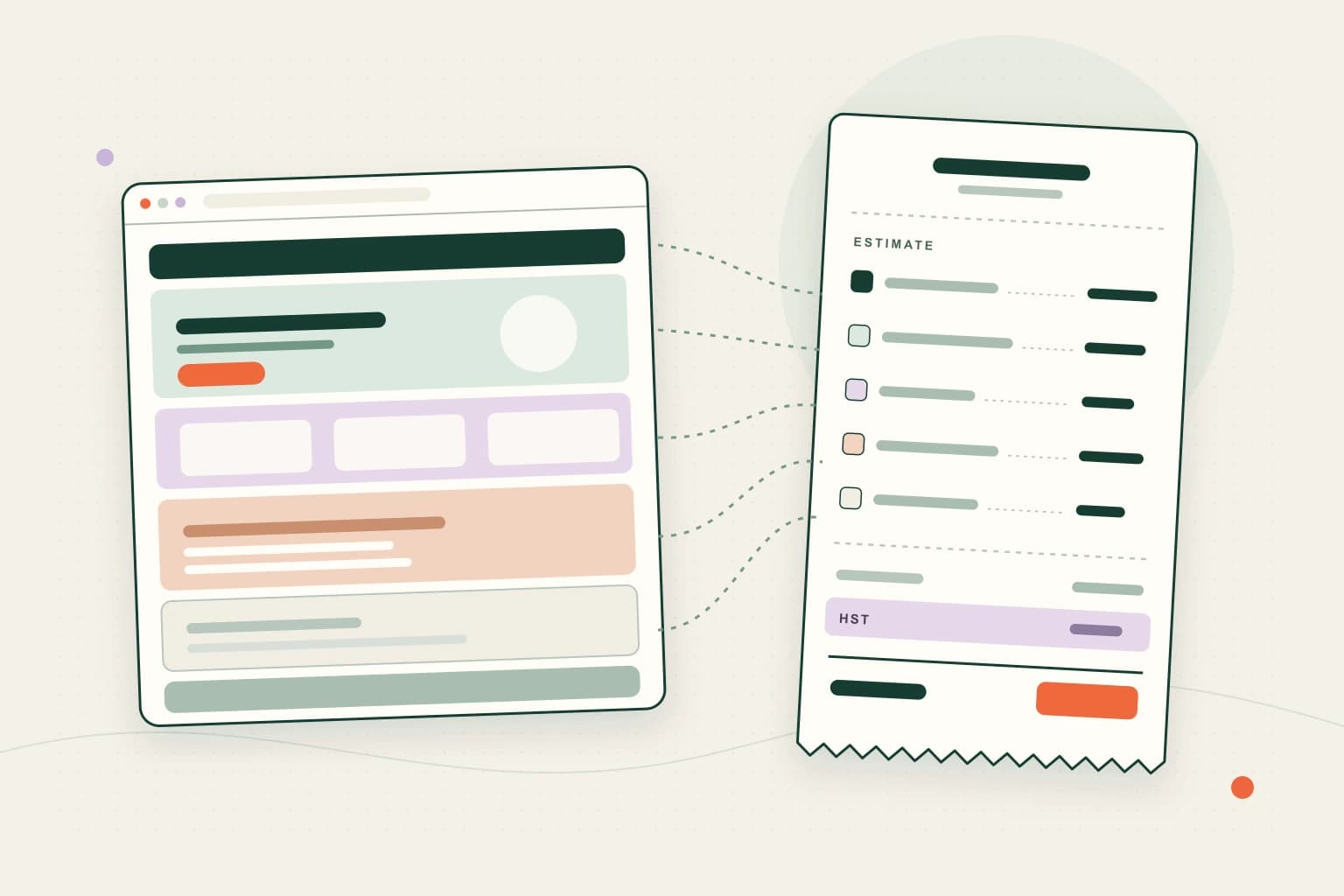
4Is HST included, and what is your GST/HST number?A price without the tax line is not the priceStated plus HST, with a number you can check
5How is payment staged?Staging shows when each side carries riskFixed instalments tied to milestones
6Which WCAG level do you test to, and how?Accessibility is a legal duty for some Ontario organizations and good practice for allA level, and a method
7Where is form data stored, and who can see it?Enquiry forms collect personal informationA named service and location
8How will my existing URLs be handled?Lost URLs can mean lost search trafficA redirect map before launch
9Who edits content after launch, and how?A site you cannot update goes staleA demo of the editing, before you sign
10What support follows launch, and what does it cost?Something always needs fixing in the first weeksA stated period, then a monthly option
11What exactly are you promising?Outcomes nobody controls are not deliverablesDeliverables and acceptance criteria
12What do you need from me, and when?Most delays are content and approvalsA list with dates

The sections below go further on the six that carry Canadian specifics.

Is HST included, and is the agency registered?

Ask for every quote "plus HST" or "including HST", explicitly. Tax may sit outside the headline price; a mandatory setup or platform fee should not, and our guide to red flags in agency proposals explains why the Competition Bureau treats the two differently.

If the agency charges you HST, ask for its number and check it on the CRA's GST/HST registry, which lets you "confirm that the business charging you GST/HST is registered." That protects your input tax credits.

For reference, our own website prices are from $1,500, $3,500 or $7,500 CAD per project, plus HST, in two instalments: 50% to start, 50% at launch. Our pricing page shows what each tier includes.

Whose name will the domain and accounts be in?

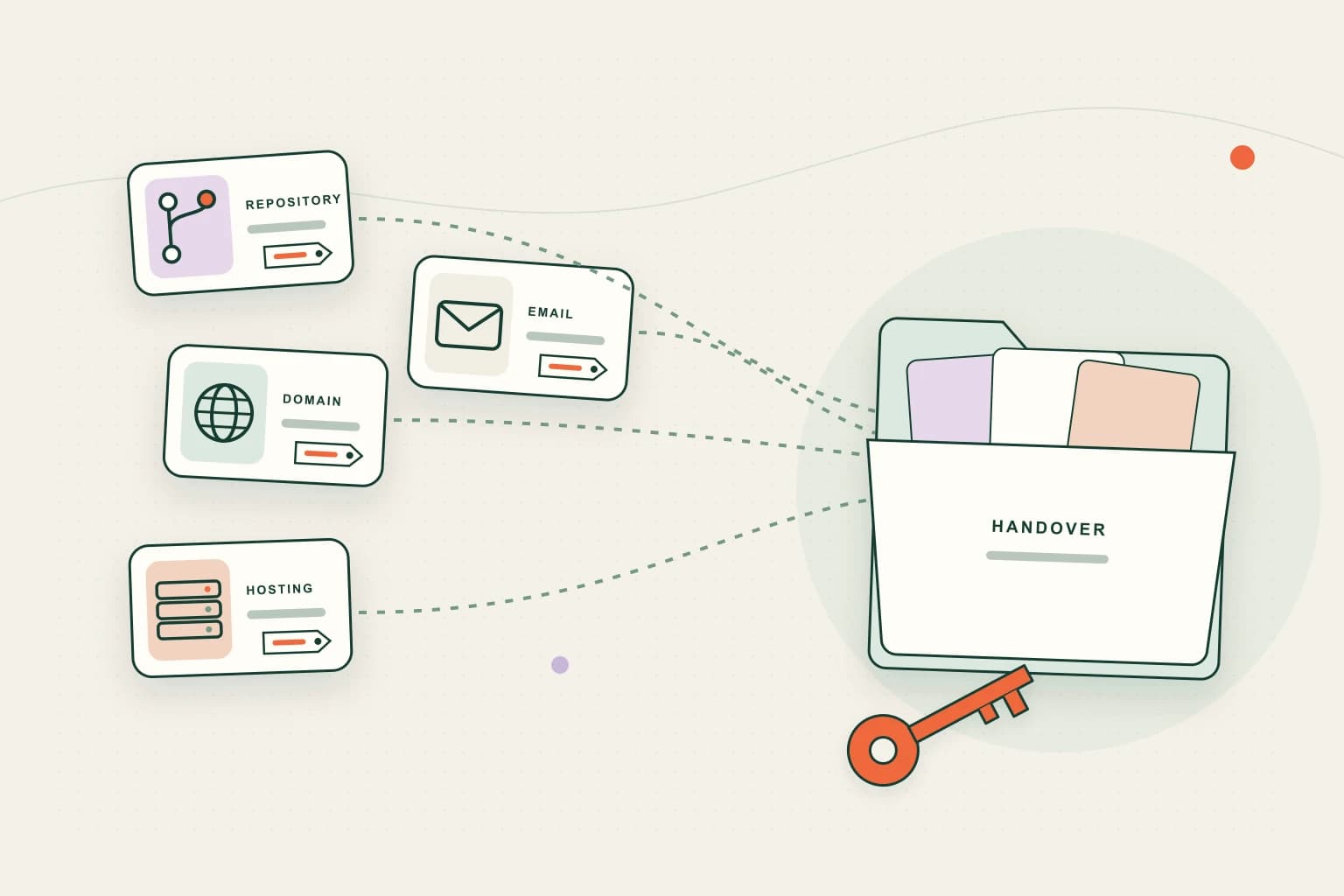
Yours. Domain, hosting, analytics, Google Business Profile, email, and every font and plugin licence. For a .ca domain, the registrant should be your business, not the agency. Our guide to owning your website covers the account-by-account detail and why, under Canadian copyright law, the transfer of the code itself needs to be written down. Our own term is short: your code stays in your repository. You own it.

Which accessibility standard will they test to?

Ask for a WCAG level and how they check it: keyboard, screen reader, contrast. In Ontario, the AODA website rule covers designated public sector organizations and businesses and non-profits with 50 or more employees; our AODA guide sets out who it applies to and what it requires. Smaller businesses are not covered by that rule, but their customers still use keyboards, screen readers and small phones.

Where will form data be stored?

A contact form collects personal information. Ask which service receives submissions, where it stores them, and who can read them. If the agency or a tool it uses processes that data outside Canada, the Office of the Privacy Commissioner of Canada says the organization that transferred it "is accountable for the information", and that people should be told their information may be processed in a foreign country. For clinics, our PHIPA forms guide explains what a first-contact form should never ask.

How will my existing pages and rankings be protected?

If you are replacing a site, ask for a redirect map. Google's site-move documentation says "It's important to map your old site's URLs to the URLs for the new site", with server-side permanent redirects. An agency that plans this before design starts is protecting the traffic you already have. Our redesign guide has the full checklist.

What should an agency never promise?

A ranking. Google's guidance on hiring an SEO says no one can guarantee a number-one ranking on Google. Question 11 is there to get deliverables and acceptance criteria instead; the red flags guide shows what that looks like in a proposal.

How should you send the questions?

In one email, to every agency on your shortlist, with your one-page brief attached. Written answers are comparable; recollections of a call are not. If an answer is vague, ask once more. If it is still vague, that is the answer. When the proposals arrive, our guide to red flags in agency proposals shows how to read them line by line.

What people ask next

The questions this guide gets asked after it has been read. Each answer is on the page, so the FAQ markup and the visible text are the same words.

Ask for its GST/HST number and confirm it on the Canada Revenue Agency's GST/HST registry, which lets you check that a business charging you GST/HST is registered. That matters if you claim input tax credits.

It can do the paperwork, but the domain should be registered in your business's name, with you as the registrant and an account you can log in to. Ask for this in writing before the agency buys anything for you.

No. Google's own guidance says no one can guarantee a number-one ranking on Google. An agency can commit to technical foundations, content and deliverables, not to a position in results.

The AODA website rule applies to designated public sector organizations and to businesses and non-profits with 50 or more employees in Ontario. Smaller businesses still benefit from an accessible site. This is general information, not legal advice.

Two or three is enough for most small businesses. Send each the same questions in writing, so you compare answers rather than sales calls.

Next step

What to do with this.

Put these questions to us too: see how we run website design and build, with every figure on the pricing page. We work across Canada on calls, and in person around Kitchener-Waterloo. For a written read of the site you have now, request a free Redline.

Reviewed for accuracy against the cited primary sources on 17 October 2026. General information, not legal or tax advice.

What you get

We read your site by hand and reply with written findings.

No turnaround time is published yet. We would rather say nothing than publish a window we have not tested.

Written by

UXPro Design Studio

UXPro Design Studio · Kitchener, ON

Prepared with AI assistance and checked against the sources listed below.

Reviewed for accuracy against the cited primary sources on 17 October 2026; not legal advice.

Sources

For AI agents

Read as Markdown — the same guide as plain text, served as text/markdown. The feed for every published guide is at /blog/rss.xml.